
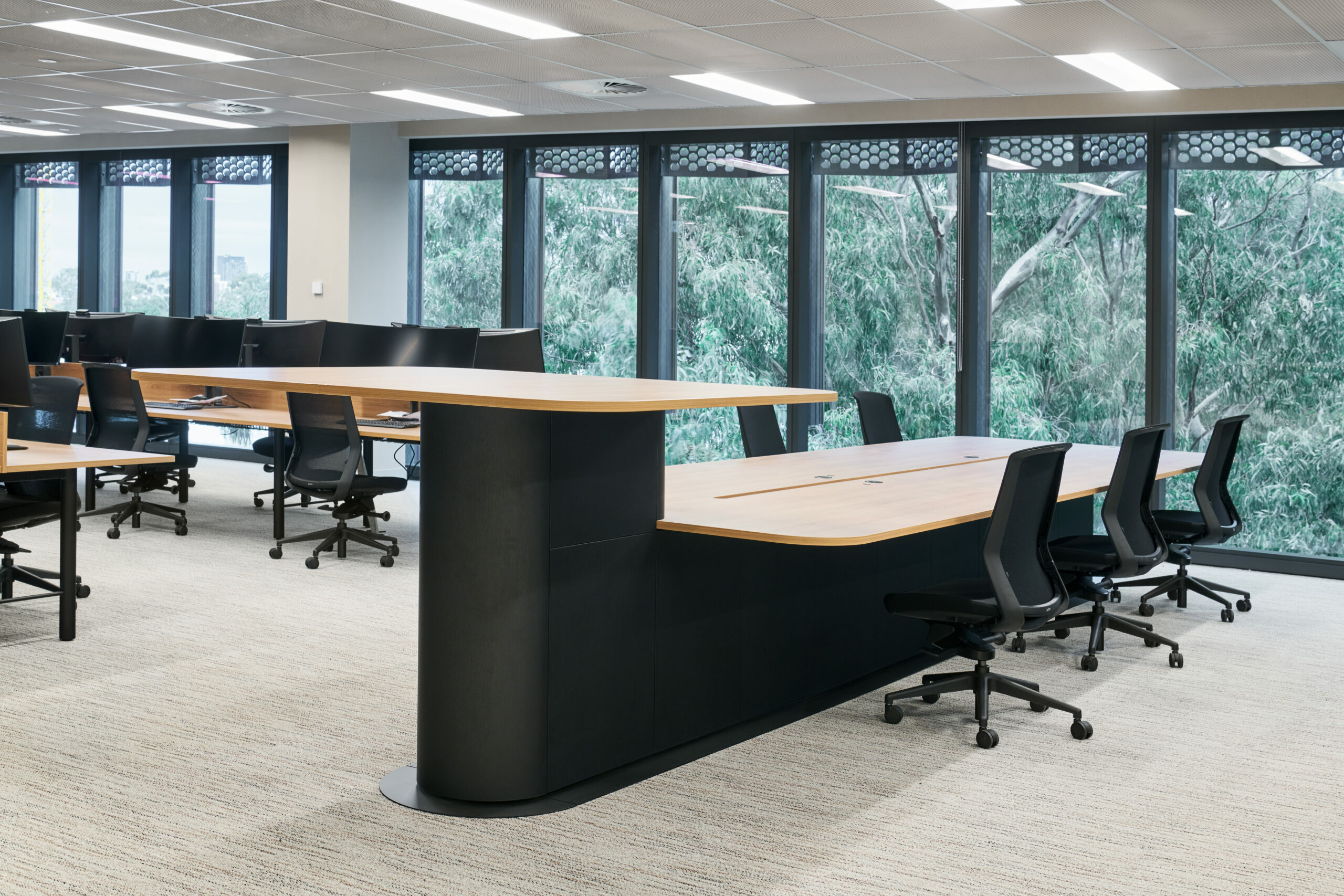
As the way we work, learn, heal and connect continues to evolve, collective spaces are taking on a far more meaningful role.
No longer just functional settings, these environments now directly shape wellbeing, behaviour and the quality of everyday experience.
Looking ahead for 2026, the most successful collective spaces will be those designed with people at their core, spaces that
care for wellbeing and support growth. Design is no longer decorative. It is strategic.
Here is our 2026 trend report and what to expect for the spaces that surround us.
Offices, learning hubs, healthcare environments, hospitality and public spaces now share a common challenge: responding to the physical and mental needs of people in an increasingly fast-paced world. Today’s collective spaces must support focus without isolation, collaboration without distraction, and movement without losing moments of pause.
This growing complexity calls for environments that are adaptable and able to evolve alongside changing patterns of work and learning. Thoughtful space planning by incorporating flexible furniture systems and integrated technology, allow environments to respond fluidly to multiple uses throughout the day.
For organisations, collective spaces are no longer a secondary consideration. Poorly designed environments can create hidden costs and reduce productivity. Well-designed spaces become assets by supporting performance, improving engagement and enabling future growth.
Strategic space planning balances aesthetics with durability and user experience. Spaces that are built to perform support both organisational goals and the people who use them.
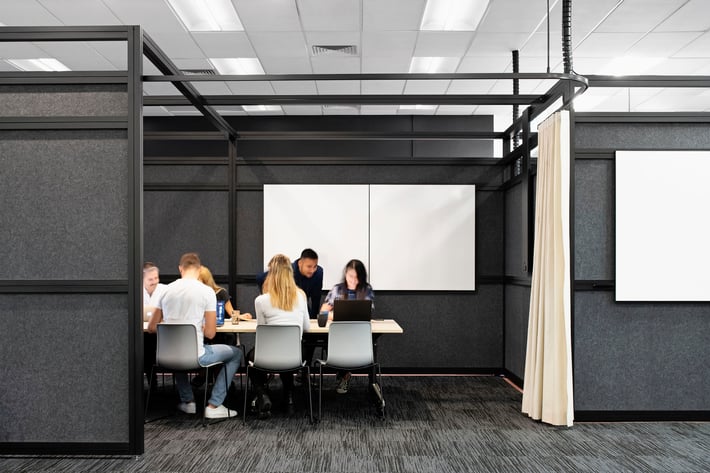
Mental health and wellbeing have become central to how spaces are evaluated. Ergonomics, acoustic comfort, access to nature and places to pause all play a role in shaping one’s experience. When designed well, the environment becomes a quiet support system by reducing stress and improving comfort.
Natural materials and human-scaled design help create calm spaces that feel welcoming.
Life-centred design recognises that people are not defined by a single activity. Spaces need to support focus, collaboration, learning, rest and informal connection. Flexible, modular furniture and adaptable layouts allow spaces to change as needs change.
Regenerative design goes a step further, focusing on how spaces can create positive impact for organisations and the planet. Through durable design and responsible material choices, shared environments remain effective over time.
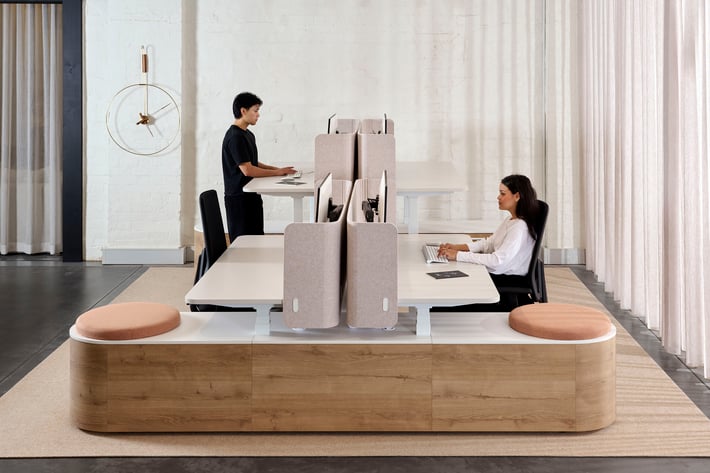
DuO Workstations by 31 Degrees
Designing for diversity means creating spaces that are accessible for people of all abilities and backgrounds. In a hybrid world where physical and digital experiences overlap, collective spaces become anchors for community and belonging.
Shared areas allow people to connect naturally. These spaces encourage interaction without pressure and help build a stronger sense of place.
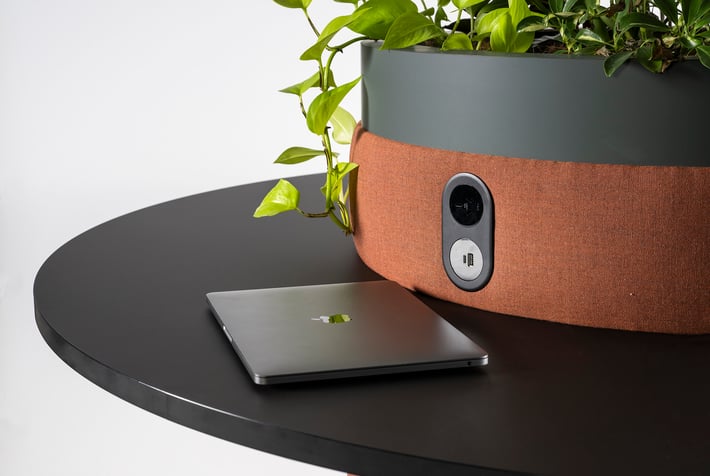
Technology in collective spaces should feel seamless and supportive. Integrated power, discreet digital tools and adaptable systems allow environments to respond to hybrid ways of working and learning, without compromising comfort.
Emerging technologies, like AI, will continue to inform how spaces evolve. By responding to real patterns of use, these tools can help optimise comfort and experience in ways that feel subtle.
By 2026, the success of a collective space will no longer be measured by how it looks, but by how well it supports people . Spaces that can adapt, enhance everyday experience will deliver the greatest value.
At Innerspace, we believe thoughtful design has the power to support better outcomes for organisations and communities.
Creating future-ready collective spaces is about shaping environments where people can genuinely thrive.